
Blonde hair extensions look bright and clean when first fitted. Over time, some clients notice yellowing or warmth. This often leads to the question: why do blonde hair extensions turn yellow?
Blonde hair extensions can change colour due to heat, hard water minerals, product build-up and underlying warm pigment becoming more visible over time.
This change is common with lighter shades, especially warm or beige blondes. It does not mean the hair is poor quality or faulty. In most cases, the structure of the hair remains healthy. What you see is a natural reaction to environmental factors and daily styling habits.
In this guide, you will learn:
Whether you are a stylist advising clients or wearing blonde Remy hair extensions yourself, understanding the cause makes prevention much easier.
Blonde hair extensions are not created from one single shade. Each tone contains a different pigment structure. That structure affects how the colour behaves over time.
Ash blonde hair extensions, cool blonde hair extensions and beige blonde hair extensions all look similar at first glance. However, their undertones and processing levels vary. These small differences influence how quickly warmth appears and how stable the tone remains.
Understanding pigment structure helps both stylists and clients set realistic expectations.
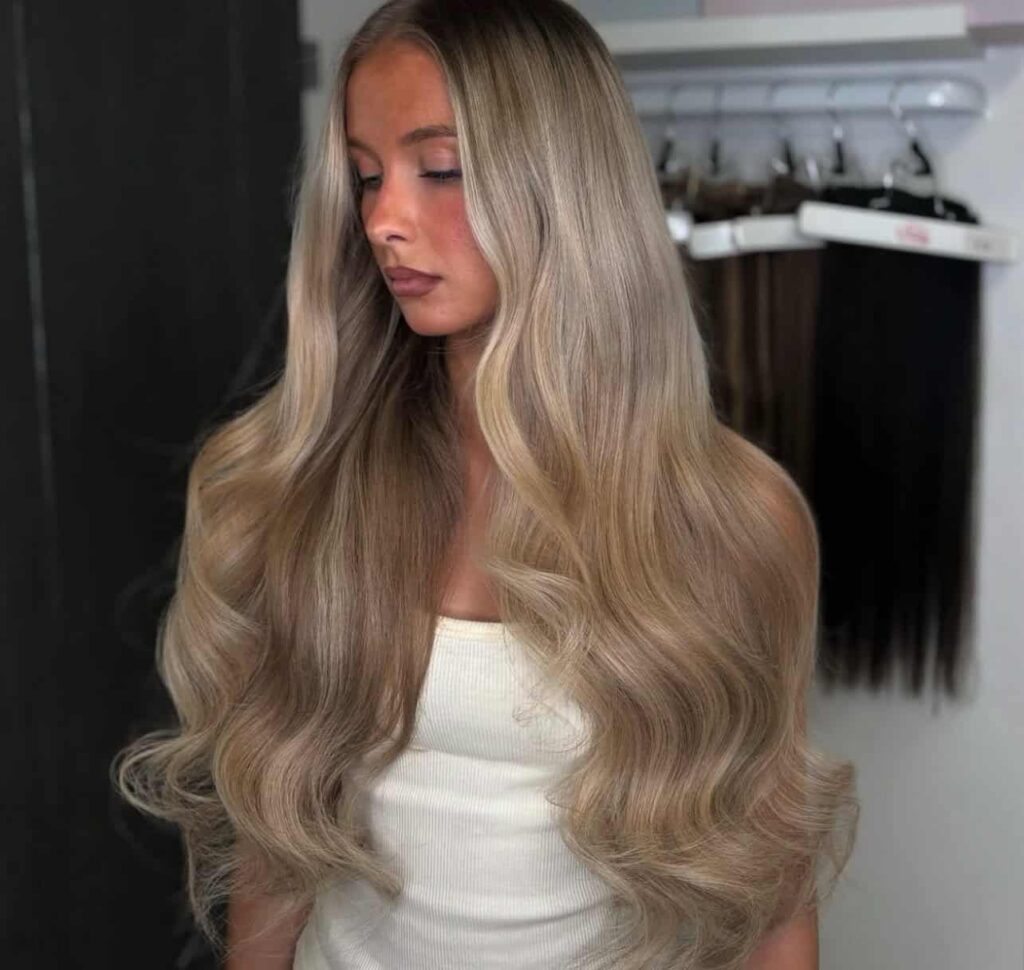
Beige blonde hair extensions and creamy blondes contain soft golden undertones. These undertones give a natural, sun-kissed finish. However, they also carry more visible warm pigment.
When external factors affect the hair, that warmth becomes more noticeable. Heat styling, mineral deposits and product build-up can all exaggerate yellow or brassy tones.
Warmer blondes often go through more processing to lift darker natural pigments. This can increase porosity. More porous hair absorbs minerals and environmental residue more easily. As a result, warm blonde hair extensions may show colour change sooner than cooler shades.
This does not mean the hair is lower quality. It simply reflects how underlying pigment interacts with the environment.
Ash blonde hair extensions and cool blonde hair extensions contain less visible warm pigment. They often include violet or blue-based tones to neutralise brassiness.
Because these shades start with reduced warmth, they tend to appear brighter for longer. They are generally more stable when exposed to heat or hard water. That makes them popular for clients who prefer icy or platinum finishes.
However, even cool tones can shift over time. Environmental factors still play a role. The difference is that underlying warmth is less dominant, so the change appears slower.
From a professional perspective, 100% Remy human hair also reacts differently depending on how it has been processed. Remy hair keeps the cuticle aligned, which helps maintain strength and shine. Higher-quality Remy blonde hair extensions respond more predictably to toning and correction treatments.
Processing levels, pigment lift and porosity all influence how blonde extensions behave. When you understand those variables, colour changes become easier to manage, rather than a cause for concern.
Many clients ask, why do blonde hair extensions turn yellow even when I follow aftercare advice? Others notice warmth developing and wonder why do blonde hair extensions turn orange instead of staying bright.
Blonde hair extensions turning brassy is common over time. It happens when underlying warm pigment becomes more visible or when external residue alters the surface tone. In most cases, blonde hair extensions discolour due to environmental exposure rather than poor hair quality.
Below are the most common causes.
Frequent heat styling can shift blonde tones. High temperatures weaken the outer cuticle layer. When the cuticle lifts, the hair becomes more porous.
Increased porosity allows environmental residue to settle more easily. It also exposes the warmer pigments that sit beneath the surface. Over time, this can make blonde hair extensions look dull, yellow or slightly orange.
Straighteners and curling wands used above 180°C increase the risk. Without a heat protectant, the pigment balance can gradually change. Even high-quality Remy human hair will react if exposed to repeated heat stress.
Hard water is one of the biggest causes of blonde hair extensions discolouring. Many areas in the UK have high mineral content in tap water.
The main culprits include:
These minerals cling to the hair shaft. On blonde shades, they create a yellow, green or orange cast. Over time, build-up becomes visible, especially on lighter tones such as ash blonde hair extensions.
Chelating treatments remove mineral deposits safely. Professional chelating cleanses are often the first step when correcting brassy blonde hair extensions. Installing a shower filter can also reduce ongoing exposure.
Chlorine strips moisture from the hair. It also reacts with trace metals in water. This reaction can create unwanted warmth or a slight green tint on blonde extensions.
Repeated exposure without protection increases the risk. Even short holidays can affect tone. Rinsing the hair immediately after swimming helps minimise damage.
Blonde extensions often sit close to the face and neck. This makes them vulnerable to product transfer.
Fake tan, foundation, SPF and moisturisers contain pigments and oils. These ingredients can stain porous blonde strands. Over time, beige and light blonde shades may look darker or more orange around the front sections.
This type of discolouration is gradual. Many clients do not realise it is happening until warmth becomes obvious.
Product build-up is another hidden cause of blonde hair extensions turning brassy. Heavy conditioners, oils and styling creams leave residue on the surface.
This layer traps minerals and environmental pollutants. It can make blonde tones appear dull or uneven.
Purple shampoo can help neutralise yellow tones. However, overuse creates its own problems. Excess violet pigment can build up on the hair. This leads to dryness, patchy tone or a flat, grey finish.
Blonde Remy hair extensions need balanced care. Controlled toning works best under professional guidance. When used correctly, toning refreshes the shade. When overused, it can compromise shine and softness.
When clients see warmth appear, they often ask, are blonde hair extensions faulty? It is a fair concern. No one wants to feel they invested in poor quality hair.
In most cases, discolouration does not mean the hair is defective. It is usually a surface-level colour shift caused by environment, heat or mineral exposure.
Blonde Remy hair extensions are made from human hair with the cuticle layer kept intact and aligned in one direction. This alignment reduces tangling and helps maintain strength and shine. The internal structure of the hair remains stable even if the tone shifts slightly.
Colour change and structural damage are not the same thing. Structural damage affects the integrity of the strand. It causes breakage, excessive dryness and loss of elasticity. Environmental reaction, on the other hand, affects the visible tone. The hair can still feel soft and strong while showing warmth.
High-quality Remy hair responds predictably to environmental factors. Because the cuticle is intact, professional treatments such as chelating or gentle toning often restore brightness successfully. Lower-grade hair with stripped or mixed cuticles reacts less consistently and can be harder to correct.
Blonde shades are more transparent than darker colours. This makes any mineral or heat-related shift more noticeable. The visibility of the change does not reflect poor craftsmanship. It reflects how light pigments interact with daily exposure.
For both stylists and clients, the key is understanding that blonde hair extensions discolour due to external influence, not because the hair is faulty. When properly maintained, premium Remy extensions retain their strength and can be refreshed professionally when needed.
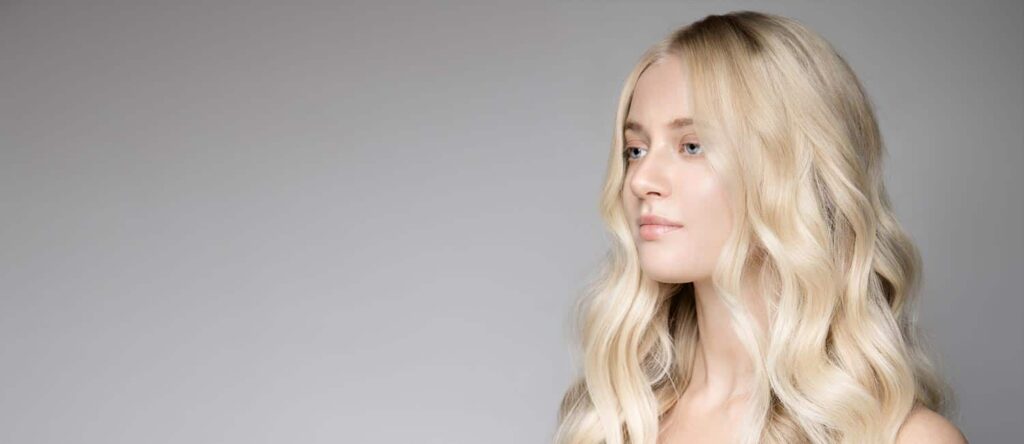
Many clients ask, can you tone blonde hair extensions at home? Others want to know how to remove brassiness from extensions safely without causing damage.
The answer depends on the cause of the colour change. Not all warmth comes from pigment shift alone. Sometimes minerals or product build-up sit on the surface. In other cases, underlying warm tones need neutralising.
Understanding the difference is key.
Professional toning works well when the warmth comes from exposed underlying pigment. This often happens after heat exposure or natural fading of cool tones.
A stylist can apply a controlled toner designed for Remy human hair. The process refreshes the surface tone without over-processing the strand. Cool or ash-based formulas help rebalance yellow tones. Blue-based toners may reduce orange warmth.
Because blonde hair extensions have already been processed, they require careful formulation. Professional application ensures even tone and reduces the risk of patchiness.
If blonde hair extensions discolour due to hard water or mineral build-up, toning alone will not solve the issue. Minerals such as iron and copper sit on the cuticle. Adding toner on top can create dullness or uneven colour.
In this case, a chelating treatment is more effective. Chelating gently removes mineral deposits from the surface of the hair. Once the build-up is cleared, the blonde tone often appears brighter immediately.
Only after cleansing should toning be considered. This two-step approach protects the integrity of blonde Remy hair extensions and restores clarity.
At-home toning carries risks, especially with lighter shades. Many purple shampoos and toning products are highly pigmented. Overuse can leave the hair flat, grey or dry.
DIY toners can also grab unevenly on porous areas. This leads to patchy colour or over-deposit on the ends. In severe cases, the hair may require corrective treatment.
For stylists, client education is vital. Blonde hair extensions respond best to controlled, professional care. For consumers, seeking advice before applying strong toning products protects both colour and longevity.
When brassiness appears, the safest first step is assessment. Identifying whether the cause is pigment shift or mineral build-up ensures the right correction method is used.
If you want to know how to maintain blonde hair extensions, the focus should always be prevention. Small daily habits make a noticeable difference over time.
Good blonde hair extensions aftercare protects both tone and structure. It also helps stop clients asking how to stop blonde extensions going yellow just weeks after fitting.
Follow these practical steps:
Consistent care reduces warmth, protects the cuticle and extends the life of blonde Remy hair extensions. For stylists, educating clients at the point of fitting prevents many avoidable issues later.
Many people assume all blonde extensions behave the same. In reality, the method can influence how the hair interacts with heat, product and environmental exposure.
Blonde pre bonded hair extensions, blonde tape in extensions and blonde weft hair extensions all sit differently on the head. That positioning affects surface contact and exposure.
Pre-bonded, keratin and flat tip extensions are fitted strand by strand. Each section remains relatively isolated from neighbouring hair.
This isolation can reduce product saturation around the bonds. However, the loose strands are fully exposed to environmental factors. Heat styling directly affects each section.
Because pre-bonded blonde hair extensions move freely, they require careful heat control and consistent protection. When maintained well, they offer durability and predictable colour behaviour.

Tape-in extensions sit flat against the natural hair. The adhesive panels create a wider surface area where product can gather.
Conditioner, oil and skincare products may accumulate near the tabs. If not cleansed properly, build-up can contribute to blonde hair extensions discolouring.
Tape methods require balanced aftercare. Light products and thorough rinsing help preserve tone.
Blonde weft hair extensions, often called a weave by clients, are sewn or secured in rows. The density of a weft means more hair sits together in one section.
This density can reduce exposure at the root but increases surface area along the mid-lengths and ends. Product build-up and mineral residue often appear on the outer layer first.
Regular cleansing and professional maintenance keep wefts bright. When fitted and cared for correctly, all methods can maintain colour stability effectively.
Shade selection plays a major role in long-term satisfaction. Not every blonde behaves the same. Lifestyle, water type and styling habits all matter.
Ash blonde hair extensions suit clients who prefer an icy, cool finish. These tones contain blue or violet bases that help neutralise warmth. They are often easier to maintain in hard water areas.
Cool blonde hair extensions also offer strong brightness with lower visible warmth. They work well for clients who use moderate heat and want a crisp result.
Beige blonde hair extensions create a softer, natural look. They suit clients who prefer warmth and dimension. However, they may require more frequent toning, especially in mineral-heavy areas.
Stylists should assess undertone, porosity and maintenance commitment before choosing a shade. A client who styles daily with high heat may benefit from a cooler base. Someone who prefers a low-maintenance routine might avoid heavily warm tones.
Selecting the right blonde hair extensions from the start reduces frustration later. It aligns expectations with lifestyle and helps preserve colour for longer.
Blonde hair extensions go yellow faster than darker shades because lighter pigments are more transparent and show warmth more easily.
Darker hair contains stronger underlying pigment, so environmental changes are less visible. Blonde hair extensions, especially beige or warm tones, have reduced melanin. This makes them more reactive to:
When the cuticle becomes slightly porous, warm undertones become more noticeable. The hair itself is not damaged. The lighter base simply reveals environmental influence more clearly than brown or black extensions.
You fix blonde hair extensions that have turned orange by identifying the cause before applying toner.
Orange tones often result from mineral build-up or exposed warm pigment. Start by assessing whether the hair feels coated or dull. If so, a professional chelating treatment may be required to remove copper or iron deposits.
If the warmth comes from pigment shift, a blue-based toner can help neutralise orange tones. Always apply toner professionally to avoid uneven results. Avoid layering purple shampoo repeatedly, as this can create dryness and patchy colour.
Correct diagnosis ensures the tone is restored safely without compromising the cuticle.
Yes, hard water can significantly affect blonde hair extensions.
Hard water contains minerals such as calcium, magnesium, iron and copper. These minerals attach to the hair shaft over time. On blonde Remy hair extensions, this build-up often appears as yellow, brassy or slightly orange tones.
Common signs include:
Installing a shower filter helps reduce mineral exposure. Professional chelating treatments remove deposits safely. Without removal, toning alone will not correct the issue effectively.
Blonde extensions should only be toned when visible warmth appears, not on a fixed schedule.
Unlike natural hair, extensions do not regenerate pigment. Over-toning can lead to dryness or over-deposit. Most clients require professional toning every 8 to 12 weeks, depending on:
Cool and ash blonde hair extensions often need less frequent toning than beige shades. A stylist should assess the hair before applying any toner to ensure the cuticle remains healthy.
Yes, you can put blonde extensions in brown hair, but colour matching is essential.
Blonde hair extensions can create highlights, balayage effects or contrast panels within brown hair. The key is choosing the correct tone and placement strategy.
Stylists often:
If the natural brown base is very dark, a softer beige blonde may blend more naturally than an icy platinum. Proper sectioning ensures the result looks intentional and seamless rather than striped.
Ash blonde extensions are often easier to maintain because they contain less visible warm pigment.
Cool or ash-based tones include blue or violet undertones. These help neutralise brassiness as warmth begins to show. In hard water areas, ash blonde hair extensions may hold brightness longer than beige tones.
However, they still require protection from:
Ash shades can appear dull if over-toned. While they resist warmth better, they still benefit from balanced aftercare and professional assessment.
Yes, you can use purple shampoo on blonde extensions, but it must be used carefully.
Purple shampoo neutralises yellow tones by depositing violet pigment. On blonde Remy hair extensions, occasional use can refresh brightness. Overuse, however, may cause dryness, dullness or uneven colour.
For safe use:
If the brassiness is caused by mineral build-up, purple shampoo alone will not solve the problem. In that case, a professional chelating treatment is more effective.
Blonde hair extensions discolour because of environment and exposure, not because they are poor quality. With the right aftercare, correct shade selection and professional guidance, they can stay bright and healthy for longer.
Key take-a-ways:
If you are a stylist looking for consistent, high-quality blonde Remy hair, or a client investing in professional extensions, product quality matters. At Foxy Hair Extensions, we supply 100% Remy human hair in a comprehensive range of blonde shades, including ash, cool and beige tones. Our extensions are designed for predictable performance, reliable correction and long-term wear.
Explore our full range of blonde hair extensions and choose a shade and method that suits your lifestyle. If you are unsure which tone or system is right for you, speak to your stylist or contact the Foxy team for expert advice.