What type of hair extensions are best? It’s something we get asked alot. Honestly – there’s no one “right” answer. The best type of hair extensions depends on your hair type, lifestyle, and the kind of result you want. There isn’t one method that’s perfect for everyone, which is why choosing extensions can feel a bit overwhelming at first.
We have customers asking us all the time:
Whether you want low-maintenance everyday hair, extra volume, or a full glam transformation, this guide will help you find:
Before you can decide which hair extensions are best for you, it helps to understand the different methods available. Each type works slightly differently and suits different hair types, lifestyles, and goals.
Some are designed for long-term wear, while others are perfect if you want flexibility or occasional use. Here’s a simple breakdown of the most popular extension methods in the UK.
Tape-in extensions use thin adhesive strips that sit flat against your natural hair. They’re lightweight, discreet, and one of the most popular choices for fine or thin hair.
Because the tapes lie close to the scalp, they blend beautifully and feel comfortable to wear. They’re also semi-permanent, meaning they stay in for several weeks before needing maintenance.
Best for:
If you want a seamless finish with minimal bulk, explore Foxy’s tape hair extensions range.

Weft extensions are applied in rows and are designed to add volume, length, and thickness. They’re usually better suited to thicker hair that can support a little more weight.
Hand-tied wefts are thinner and more flexible, while machine wefts are slightly denser.
Best for:
Foxy’s weft hair extensions are designed for stylists and clients who want fuller, salon-quality results.
Keratin bond extensions, also called pre-bonded extensions, are fitted strand by strand using heat to bond them to your natural hair.
They’re known for their natural movement and long-lasting results, making them a popular salon choice for clients wanting a seamless finish.
Best for:
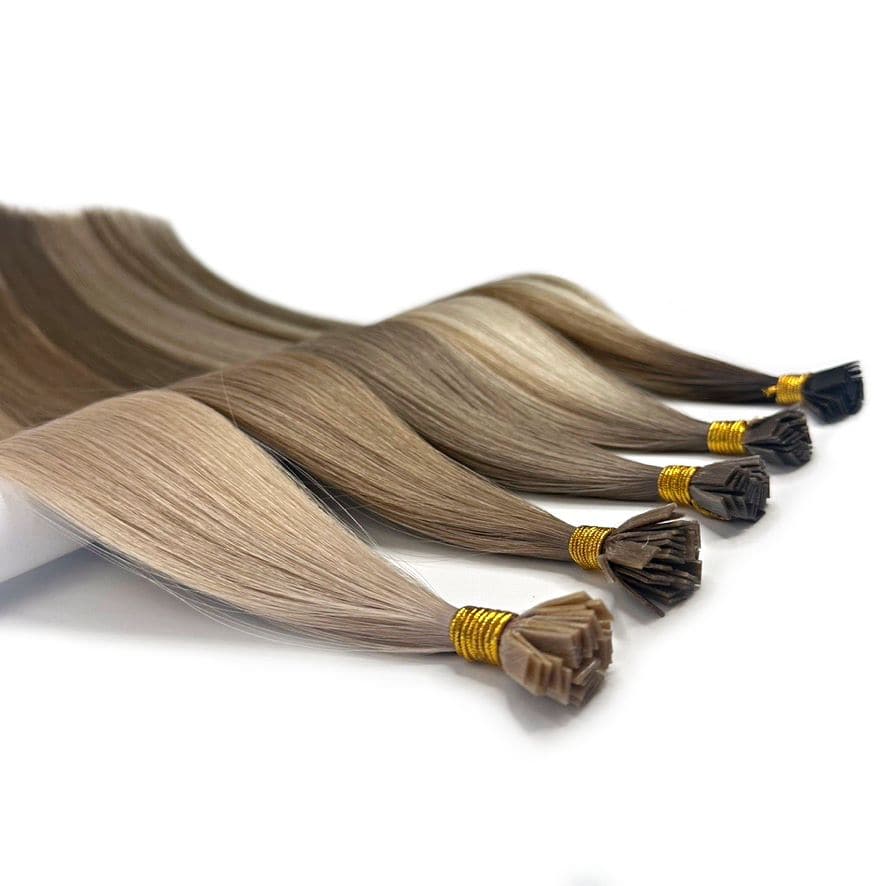
For a long-lasting, professional finish, take a look at Foxy’s pre-bonded flat tip hair extensions.
Nano rings use tiny beads to attach individual strands without heat or glue. They’re small, discreet, and flexible, making them a great option for natural-looking results.
Because the rings are so small, they’re often less visible than traditional micro rings.
Best for:
You can browse Foxy’s nano tip hair extensions for lightweight, natural-looking application.

Clip-ins are temporary extensions you can fit and remove yourself at home. They’re quick, easy, and ideal if you only want extra volume or length occasionally.
Best for:
Clip-ins are a great option if you want flexibility without committing to a professional fitting.
The best hair extension method comes down to your hair type, your lifestyle, and the kind of result you want. Some methods are better for fine hair, while others are designed for adding maximum volume or long-term wear.
Tape extensions are usually the best option for fine or thinner hair. The tapes sit flat against the scalp, making them lightweight, discreet, and easy to blend.
They’re ideal if you want:
Because the weight is spread evenly, tapes tend to put less strain on the hair compared to heavier methods.
A lot of our customers choose tapes after struggling with bulky extensions in the past. One of our regulars said this about them:
“The first extensions I’ve worn that actually felt comfortable enough to forget they were there.”
Weft extensions are best suited to thicker hair types that can comfortably support more weight. They’re fitted in rows and are perfect for creating fuller, high-volume styles.
They’re ideal if you want:
Wefts can feel heavier than tapes or nanos, which is why they’re usually recommended for medium to thick hair rather than fine hair. They’re especially popular with clients who love a big transformation.
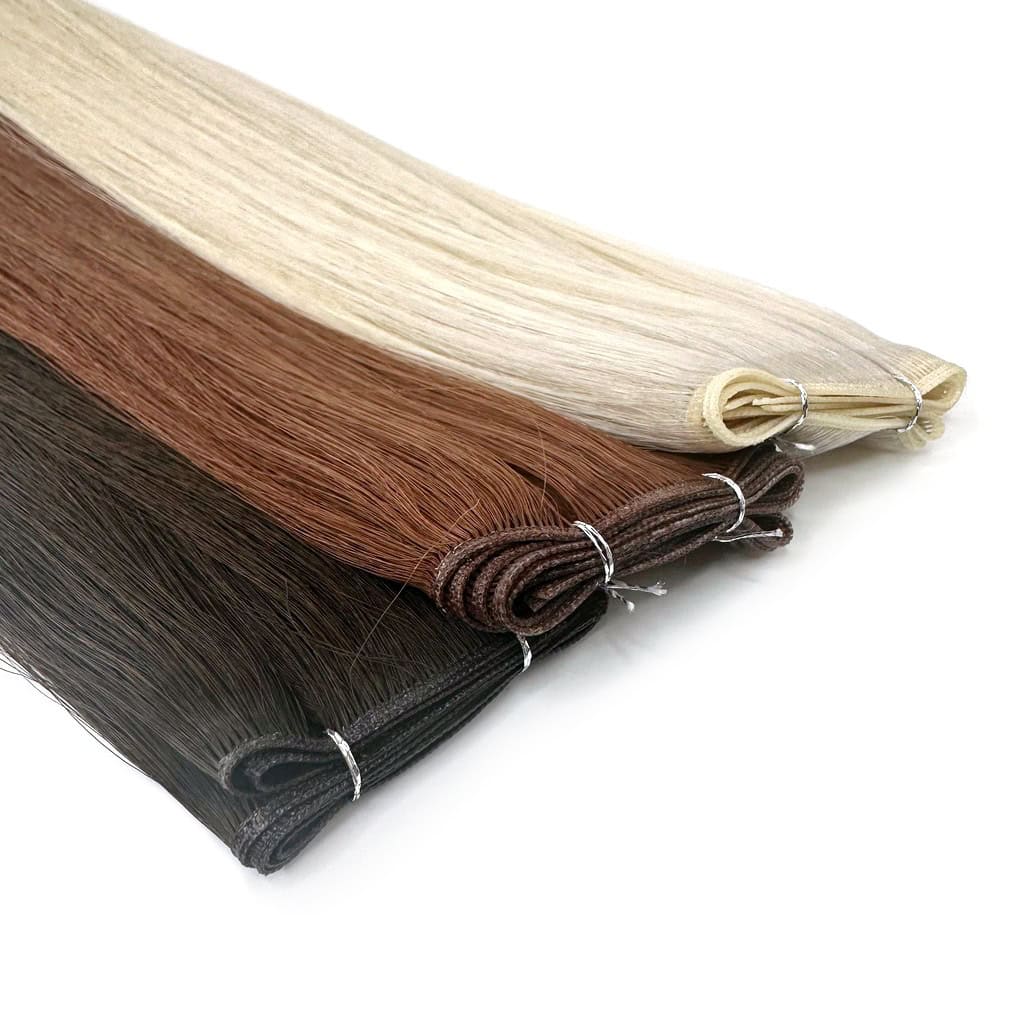
Bond extensions, also known as keratin bond or pre-bonded extensions, are applied strand by strand for a very natural finish and movement.
They’re ideal if you want:
Because they’re individually applied, they move very naturally with your own hair. However, they do need regular maintenance and professional fitting to keep them looking their best. Clients who choose bonds often love how invisible they feel once fitted properly.
If you’re still unsure, a good rule to remember is:
The right method should feel comfortable, blend beautifully, and suit your day-to-day lifestyle just as much as your hair type.
Choosing the right extension method starts with understanding your own hair. What works beautifully for thick hair might feel too heavy on fine hair, while some methods blend better with shorter styles than others.
If your hair is fine, lightweight methods are key. You want extensions that sit flat, feel comfortable, and don’t put too much tension on the roots.
The best options are usually:
These methods are discreet, lightweight, and much easier to blend into lower-density hair.
A lot of users with fine hair say the biggest surprise is how natural tapes feel once fitted properly. We have a dedicated guide on the best hair extensions for thin hair.
Thicker hair can support fuller extension methods, making wefts and bonds a great choice.
These are ideal if you want:
Wefts work especially well for creating that big, bouncy salon finish, while bonds give lots of movement and flexibility.
If You Have Short Hair
Short hair usually needs methods that blend seamlessly and create a softer transition between your natural hair and the extensions.
Bond extensions and nano rings are often the best choice because they’re fitted strand by strand, helping the extensions move naturally through shorter layers. This makes the final result look much more blended and less obvious.
If your hair is already feeling fragile, lightweight methods are the safest route. Tape extensions are often recommended because they distribute weight evenly and reduce stress on individual strands.
The key here is not overloading the hair. Less is often more when your focus is keeping your natural hair healthy while adding volume and confidence.
If longevity is your priority, bond extensions are usually the longest-lasting option. When fitted and maintained properly, they can last around 3–4 months before needing removal and refitting.
Tape extensions typically need maintenance every 6–8 weeks, but the hair itself is reusable, making them a popular long-term option too.
Weft extensions usually require maintenance every 6–10 weeks, depending on hair growth and how quickly the rows loosen over time.
It’s important to remember that lifespan isn’t just about the method itself. It also depends on:
The best extensions are the ones that still look and feel good weeks later, not just on day one.
The least damaging hair extensions are usually lightweight methods that put minimal tension on your natural hair. The safest option for you will depend on your hair type, how the extensions are fitted, and how well they’re maintained.
Tape extensions are often considered one of the best low-damage options, especially for fine hair. Because the weight is spread evenly across the tape panel, they tend to feel lighter and gentler on the roots when fitted correctly.
Nano ring extensions are another popular choice. They don’t use heat or glue, and the small attachment points make them discreet and flexible. When installed properly, they’re considered low risk for most hair types.
The most important thing to remember is that hair extensions themselves are not usually the problem. Poor fitting, overloading the hair, or incorrect aftercare is what normally causes damage.
That’s why professional fitting, good-quality hair, and regular maintenance appointments make such a big difference to keeping your natural hair healthy.
Choosing the right hair extensions doesn’t have to feel overwhelming. Once you break it down into a few simple steps, it becomes much easier to figure out which method actually suits you.
The best extensions should fit your hair type, your routine, and the result you want to achieve, not just what’s trending online.
Your natural hair is the biggest factor when choosing extensions.
If your hair is:
Trying to force the wrong method onto your hair type is where most extension problems start.
Think about your end goal before choosing a method.
Ask yourself:
For example, if you want very long hair with lots of fullness, your method needs to comfortably support that extra weight. If you just want a bit more thickness around the ends, a lighter option may be all you need.
Your daily routine matters more than most people realise.
If you: go to the gym regularly, wash your hair frequently, wear your hair up often or prefer low-maintenance styling – some methods will suit you better than others.
Tape extensions are popular because they’re lightweight and comfortable for everyday wear, while bonds offer more flexibility for styling. Wefts are ideal for clients who love fuller hair and don’t mind a little extra maintenance.
Hair extensions are an investment, so it’s important to think beyond the initial fitting.
You’ll also need to consider:
Sometimes the cheapest option upfront ends up costing more in the long run if the quality or fitting isn’t right.
Some extension methods need more upkeep than others. Ask yourself:
If you want something long-term, bonds or tapes may suit you best. If flexibility matters more, lighter and lower-maintenance options might be a better fit.
Before booking extensions, make sure you know:
The right method should feel comfortable, blend naturally, and fit into your lifestyle effortlessly. When you get that combination right, extensions stop feeling high-maintenance and start feeling like your hair.
Choosing the wrong extensions can lead to discomfort, poor blending, and unnecessary damage to your natural hair. The good news is that most problems are completely avoidable once you know what to look out for.
One of the biggest mistakes is choosing extensions based on price alone. Cheap hair and low-quality fittings might save money initially, but they often don’t last, don’t blend well, and can end up costing more long term.
It’s also important to avoid heavy extensions if you have fine or thin hair. Methods that are too bulky can put excess tension on the roots and make the extensions more visible.
Another common issue is attempting DIY installation with permanent methods like bonds, tapes, or nanos. These methods need proper placement, spacing, and weight distribution to protect your natural hair and achieve a seamless finish.
Finally, don’t ignore aftercare. Even the best extensions need regular maintenance, gentle brushing, and the right products to keep both your extensions and your natural hair healthy.
When in doubt, focus on quality, professional fitting, and choosing a method that genuinely suits your hair type.
Tape-in extensions are often the best choice for beginners because they’re lightweight, comfortable, and easy to maintain. They also blend naturally and don’t feel overly bulky, which makes the adjustment period much easier for first-time wearers.
If you’re completely new to extensions, it’s usually best to start with a method that:
A lot of first-time Foxy clients choose tapes because they offer a good balance between natural results, comfort, and long-term wear without feeling too overwhelming.
Yes, human hair extensions can usually be styled just like your own hair. You can curl them, wave them, straighten them, and blow-dry them as part of your normal routine.
Most people quickly forget they’re even wearing extensions because they style them exactly the same way as the rest of their hair. The main difference is that extensions need a little extra care to keep them looking soft and healthy long term.
Using heat protection before styling and avoiding excessive heat can make a huge difference to how long the hair lasts. Gentle brushing and lightweight styling products also help maintain a smoother, more natural finish.
This is where high-quality Remy hair really stands out. Because the hair behaves naturally, it moves, styles, and blends much more like your own hair, which is why it’s so popular in professional salons across the UK.
The most natural-looking hair extensions are usually tape-in or keratin bond extensions when they’re colour matched and fitted correctly.
The reason these methods look so seamless is because they:
The quality of the hair matters too. Remy human hair tends to give the most realistic finish because the cuticles remain aligned, helping the hair look softer, shinier, and more natural overall.
In most cases, natural results come down to three things:
Most semi-permanent hair extensions need maintenance roughly every 6–10 weeks, although this varies depending on the method and how quickly your natural hair grows.
Tape extensions usually need repositioning slightly sooner, often around the 6–8 week mark, while wefts can sometimes last a little longer before maintenance appointments are needed. Bond extensions tend to stay in the longest, often lasting several months before removal.
Regular maintenance is what keeps extensions looking comfortable, neat, and natural. As your own hair grows, the attachment points move further away from the scalp, which can increase tangling and make the extensions harder to manage.
A lot of extension issues actually come from waiting too long between appointments. Keeping on top of maintenance helps protect your natural hair and keeps your extensions looking their best for longer.
Yes, higher-quality hair extensions are usually worth the investment because they last longer, look better, and are easier to maintain.
Cheaper extensions can:
Premium Remy human hair extensions tend to hold their softness and blend much better with natural hair. They also style more naturally and generally last much longer with proper aftercare.
A lot of clients who switch from cheaper extensions say the biggest difference is how much healthier and more natural their hair feels day-to-day.
Choosing the best hair extensions really comes down to finding the right match for your hair type, lifestyle, and the look you want to achieve. The good news is, there’s no need to feel overwhelmed once you understand the basics.
The most important things to remember are:
At Foxy, we believe extensions should feel comfortable, blend beautifully, and give you confidence every single day. Whether you want subtle volume, longer hair, or a full transformation, there’s a method that’s right for you.
If you’re still unsure which option suits you best, explore our different extension collections or speak to a Foxy-approved stylist for personalised advice.
Shop by method:
And if you have fine or fragile hair, you may also find our guide to the best hair extensions for thin hair helpful, before choosing your method.